Strategic Ecosystem Architecture Layer
The Phoenix–Velixon Ecosystem operates through a multi-layer institutional architecture developed to support long-term collaboration across infrastructure, commerce, strategic development, investment-oriented coordination, digital ventures, logistics, operational services, and regional market engagement.
Over time, the ecosystem evolved through the alignment of independent companies, strategic partnerships, operational initiatives, and sector-specialized participants operating across Jordan, the GCC region, Europe, and broader international markets.
As these capabilities expanded, a more structured method of organizing specialized operational environments became increasingly necessary.
The Specialized Consortium Platforms were established to serve this purpose.
They function as a strategic ecosystem architecture layer within the broader Phoenix–Velixon Ecosystem, providing structured coordination environments for sector-focused collaboration while preserving the independent legal, financial, and operational identity of participating entities.
The platforms do not operate as holding structures, centralized ownership vehicles, or subsidiary frameworks.
Instead, they function as specialized coordination environments that allow aligned participants, strategic partners, and operational contributors to collaborate through project-specific and agreement-based participation models across different sectors and jurisdictions.
Why the Specialized Consortium Platforms Were Established
The ecosystem brings together participants operating across a wide range of industries and operational environments, including:
- Infrastructure and projects management,
- Business management and commercial coordination,
- Logistics and operational services,
- Digital ventures and strategic development,
- Regional trade and transportation,
- Engineering and construction,
- Consulting and organizational support,
- And international commercial engagement.
As the ecosystem matured, it became increasingly important to organize these capabilities through more specialized operational environments without disrupting the alliance-based philosophy upon which the ecosystem was originally developed.
The Specialized Consortium Platforms were therefore created to:
- Organize sector-specific capabilities,
- Strengthen operational clarity,
- Support specialized collaboration,
- Facilitate regional and international coordination,
- And improve strategic alignment between participating environments.
Each platform reflects a distinct operational orientation while remaining connected to the broader ecosystem architecture.
Operational Structure
The Specialized Consortium Platforms operate within the broader Phoenix–Velixon Ecosystem through a distributed participation model.
Participating entities remain:
- Independently operated,
- Legally separate,
- And commercially autonomous.
Participation within one platform does not prevent collaboration across others. Many entities contribute to multiple consortium platforms depending on:
- Sector relevance,
- Project requirements,
- Operational compatibility,
- Geographic focus,
- And strategic alignment.
This structure allows the ecosystem to maintain:
- Flexibility,
- Scalability,
- Specialized coordination,
- And operational adaptability
without requiring centralized consolidation or rigid institutional integration.
Ecosystem Architecture
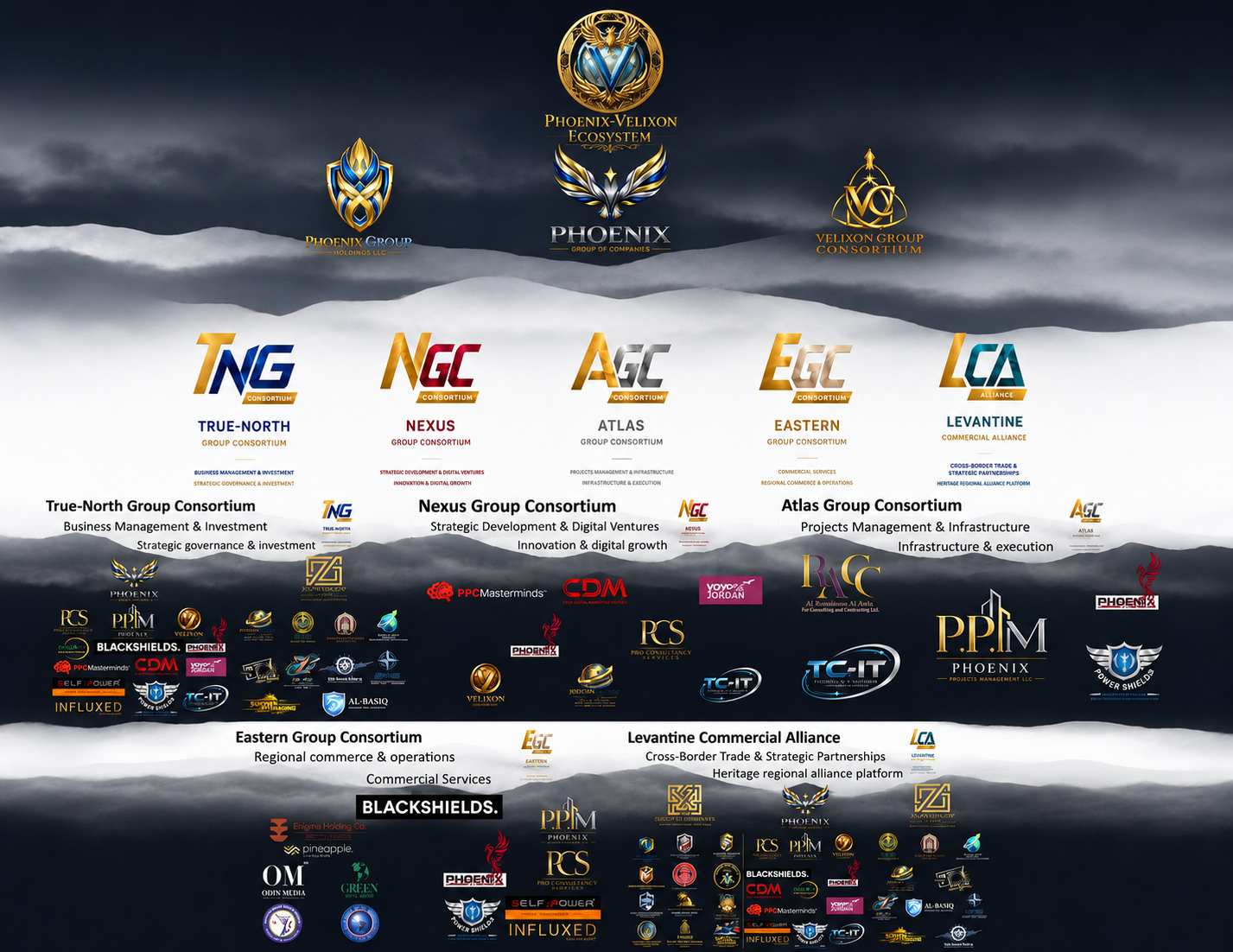
The Specialized Consortium Platforms operate within the following broader ecosystem structure:
Phoenix–Velixon Ecosystem
The overarching ecosystem architecture and strategic identity connecting multiple operational, commercial, and sector-specialized environments.
Phoenix Group Consortium
A strategic coordination environment supporting governance alignment, institutional organization, and ecosystem-wide collaboration.
Phoenix Group of Companies
A founder-aligned operational ecosystem developed through years of commercial, infrastructure, consulting, logistics, and implementation-oriented activity across multiple sectors.
Velixon Group Consortium
A Euro–Middle Eastern coordination environment supporting international commercial engagement, onboarding structures, market connectivity, and strategic relationship development.
The Specialized Consortium Platforms
Discover our proven methods that guide you through infrastructure development, project management, and seamless execution for impactful results.
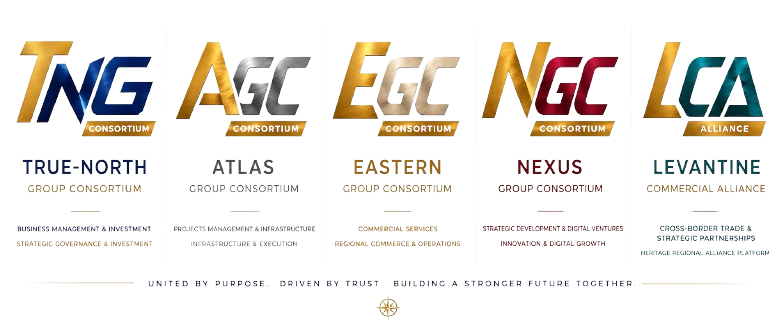
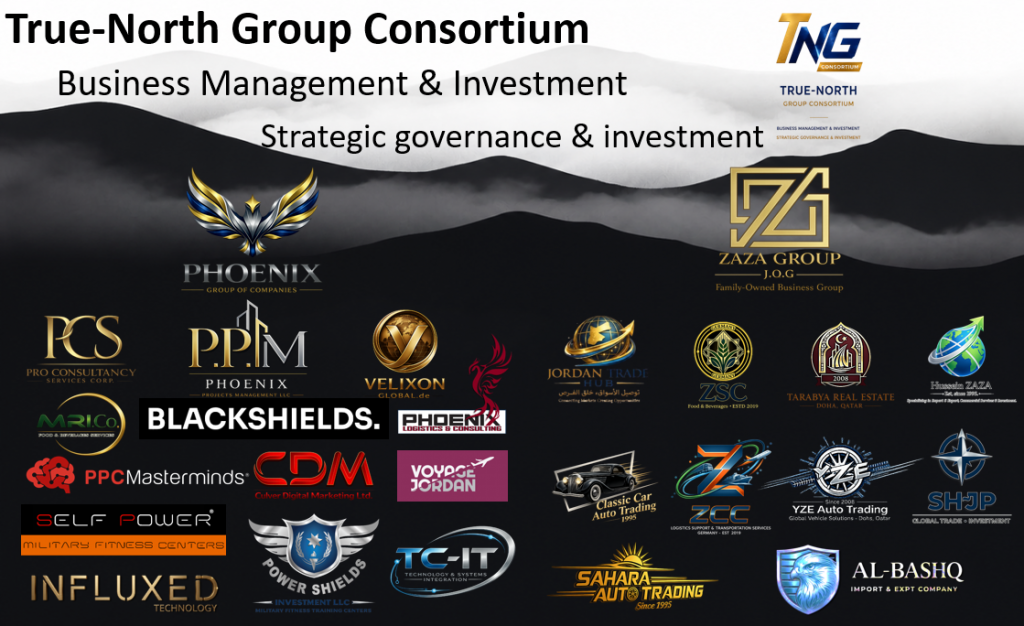
True-North Group Consortium (TNG)
Business Management & Investment
Focused on:
- Organizational alignment,
- Investment-oriented coordination,
- Governance support,
- Institutional development,
- And European commercial engagement.
TNG serves as a higher-level coordination environment supporting long-term strategic positioning and international business connectivity.
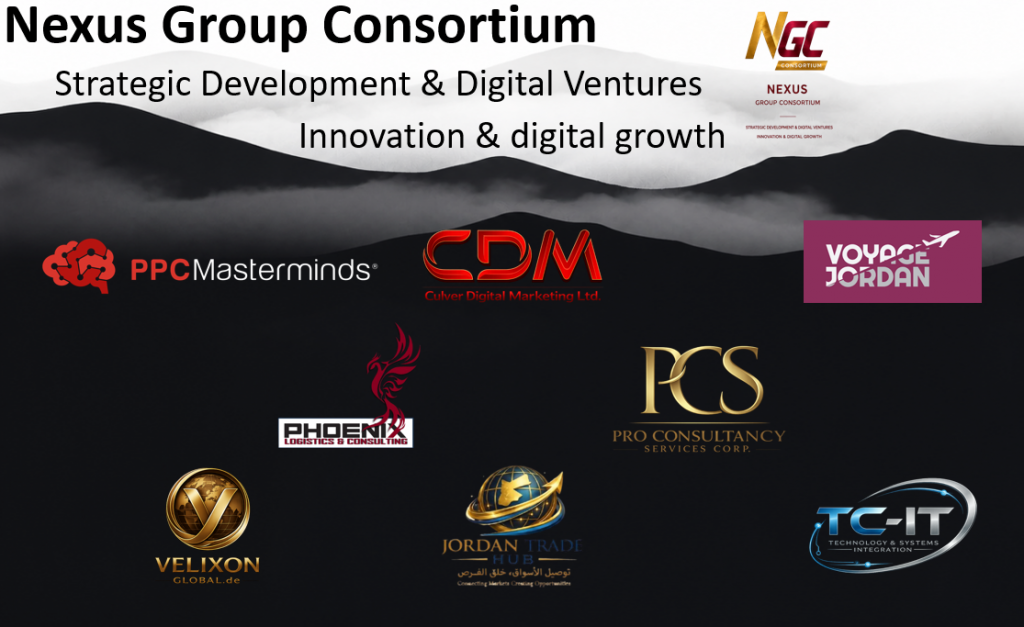
Nexus Group Consortium (NGC)
Strategic Development & Digital Ventures
Focused on:
- Innovation-oriented business activity,
- Digital ventures,
- Strategic market development,
- Technology-enabled growth,
- And modern commercial expansion environments.
NGC supports the ecosystem’s evolving digital and innovation-oriented capabilities.
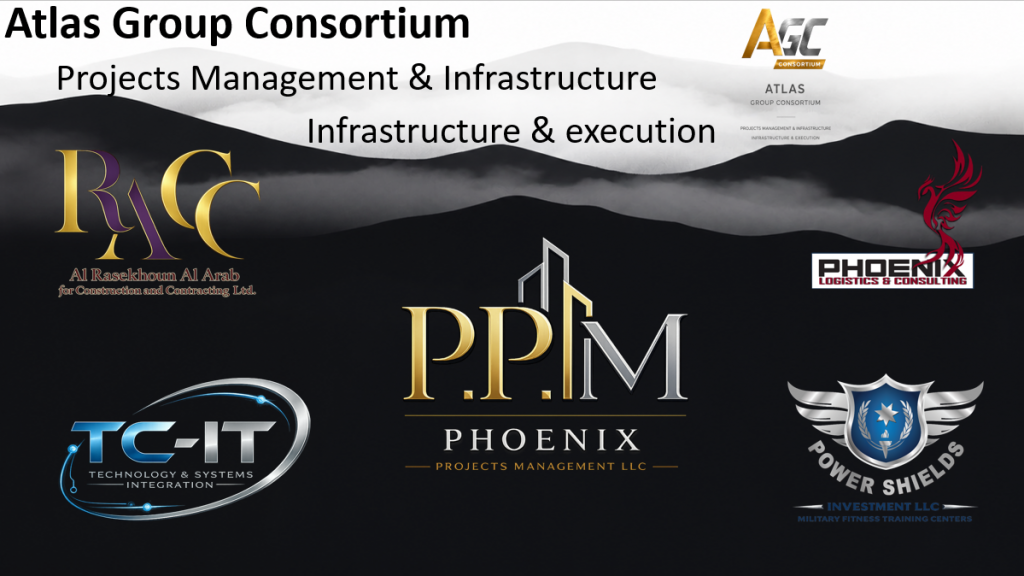
Atlas Group Consortium (AGC)
Projects Management & Infrastructure
Focused on:
- Infrastructure development,
- Projects management,
- Engineering coordination,
- Operational implementation,
- Logistics support,
- And execution-oriented commercial environments.
AGC serves as the ecosystem’s implementation and operational delivery platform.
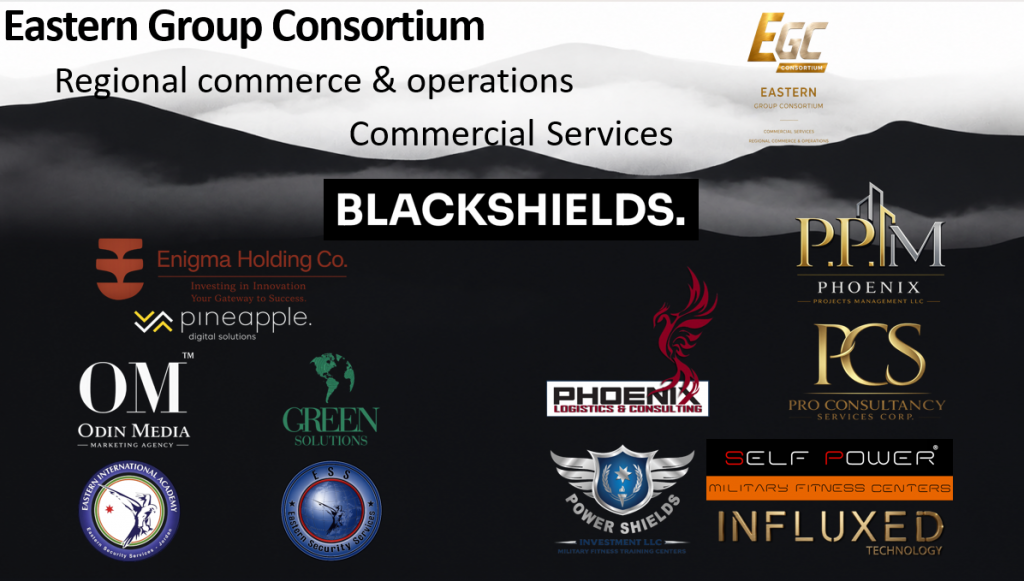
Eastern Group Consortium (EGC)
Commercial Services
Focused on:
- Operational commerce,
- Regional business activities,
- Commercial coordination,
- Operational support services,
- And scalable execution environments across multiple sectors.
EGC supports relationship-driven commercial operations and regional business integration.
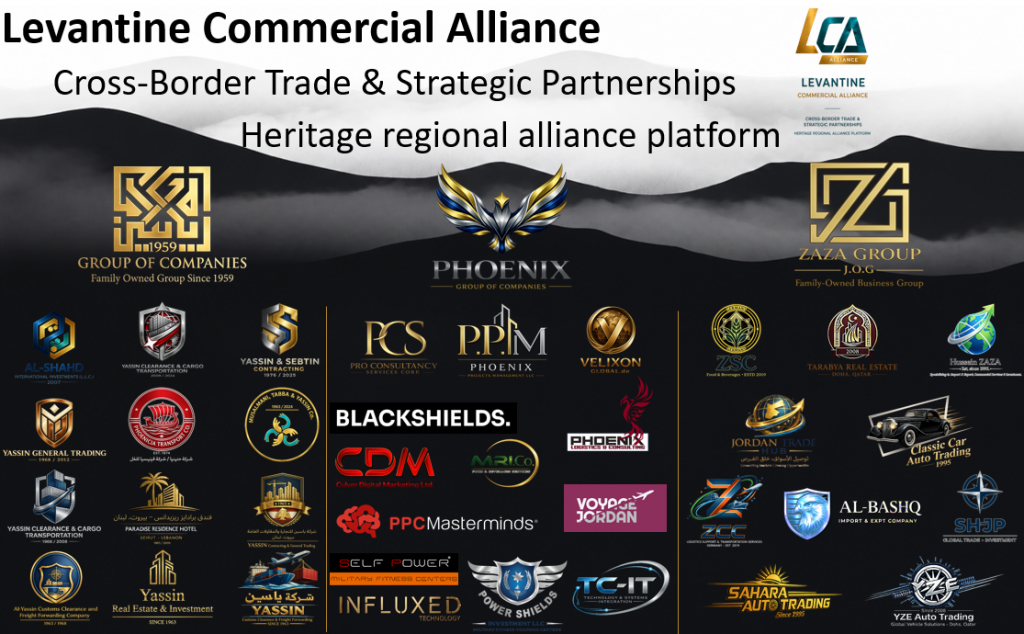
Levantine Commercial Alliance (LCA)
Cross-Border Trade & Strategic Partnerships
Focused on:
- Regional trade coordination,
- Logistics connectivity,
- Transportation-linked operations,
- Customs-related environments,
- And long-term commercial partnerships across interconnected regional markets.
LCA reflects the ecosystem’s relationship-oriented regional integration philosophy.
Distributed Participation Philosophy
One of the defining characteristics of the Specialized Consortium Platforms is the ecosystem’s distributed operational philosophy.
Rather than concentrating activities under a centralized structure, the ecosystem operates through interconnected participation environments where:
- Responsibilities remain segmented,
- Participation remains selective,
- Execution remains project-specific,
- And authority remains agreement-based.
This allows participating entities and strategic partners to cooperate dynamically depending on:
- Operational scope,
- Commercial objectives,
- Sector specialization,
- And regional market requirements.
The result is a more adaptable coordination environment capable of supporting diverse opportunities across multiple industries and jurisdictions.
Long-Term Perspective
The Specialized Consortium Platforms represent an important stage in the continued development of the Phoenix–Velixon Ecosystem.
They provide a more structured framework for:
- Sector specialization,
- Operational coordination,
- Strategic alignment,
- And regional and international collaboration
while preserving the ecosystem’s foundational philosophy:
an alliance-based model built on independent participation, long-term relationships, operational adaptability, and project-specific collaboration across multiple sectors and markets.

Explore the Specialized Consortium Platforms